


-

Add: HeBei ShengShi HongBang Cellulose Technology CO.,LTD.
-

Email
13180486930@163.com -

CONTACT US
+86 13180486930

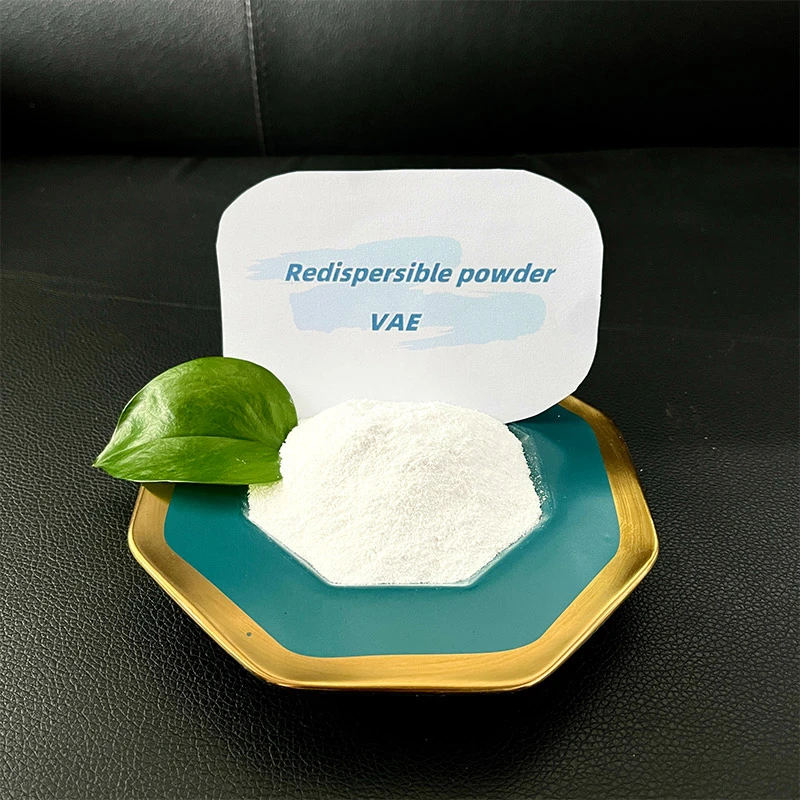
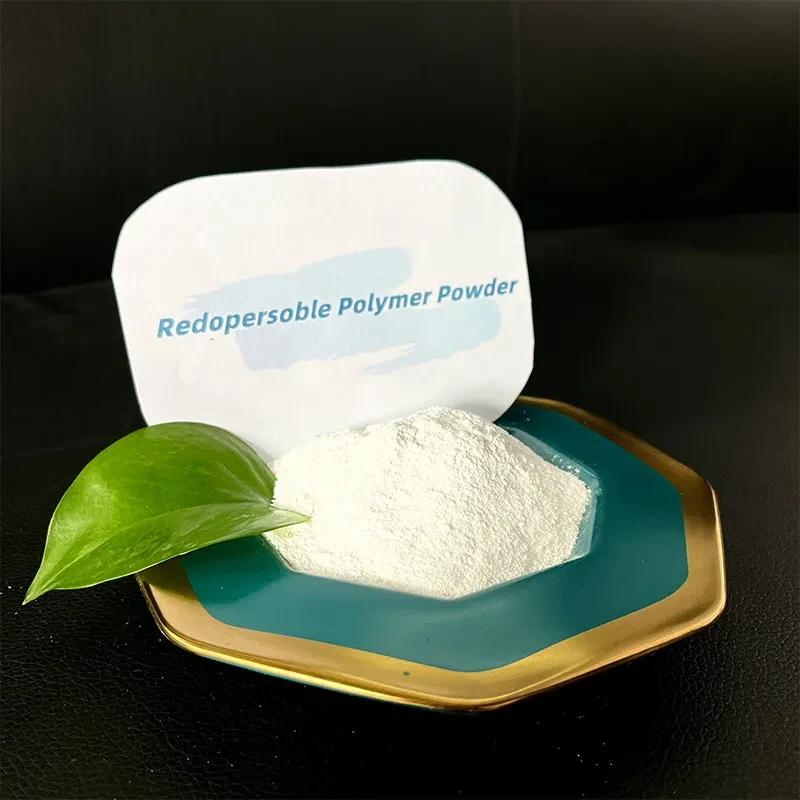
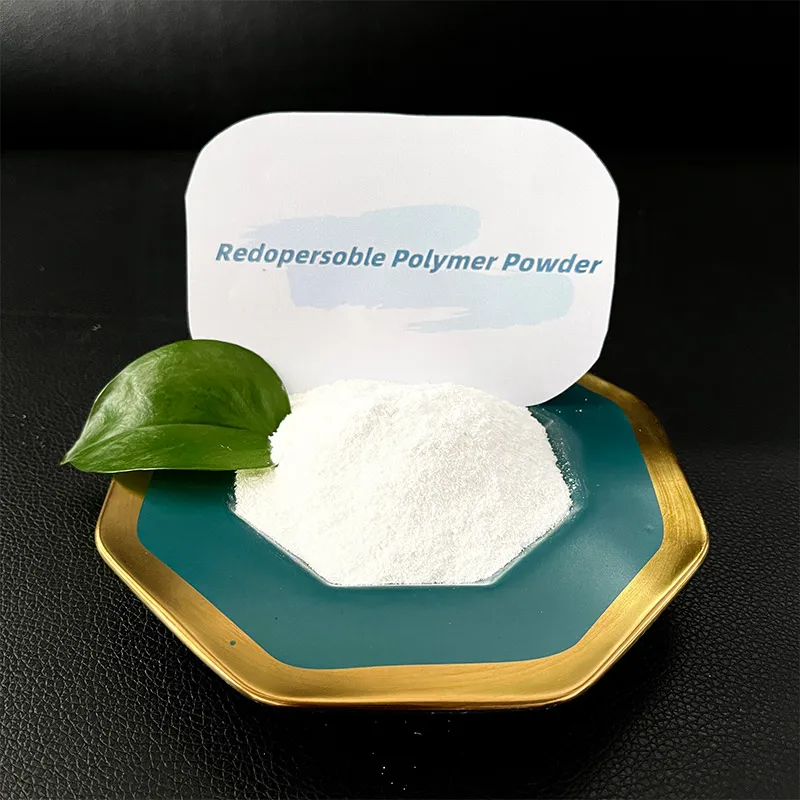


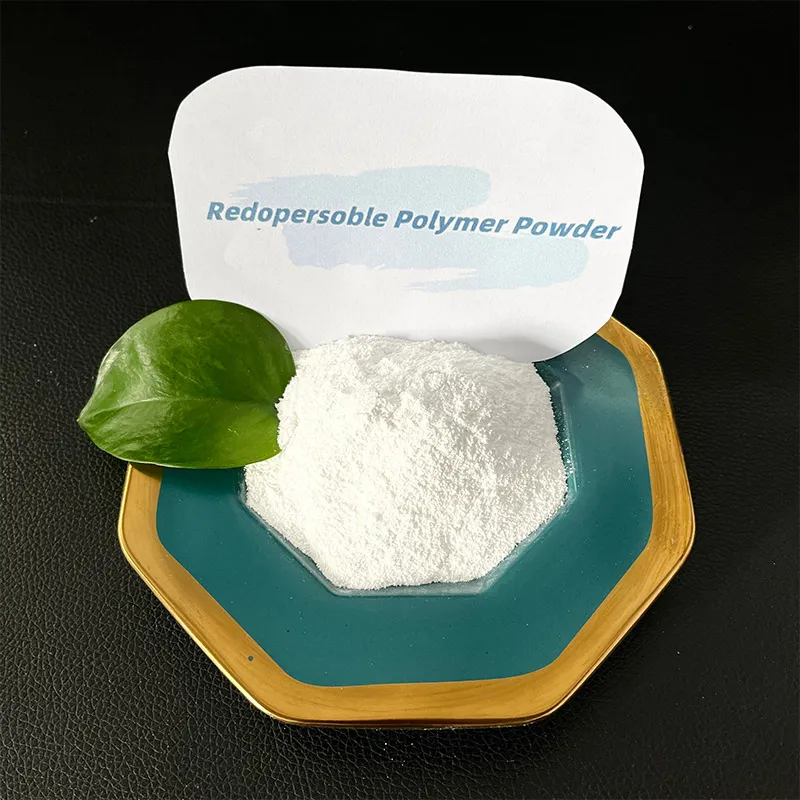
HeBei ShengShi HongBang Cellulose Technology CO.,LTD. Tel: +86 13180486930 Email: 13180486930@163.com Address: Room 1904, Building B, Wanda Office Building, JiaoYu Road, Xinji City, Hebei Province Official Website Introduction to Redispersible Emulsion Powder & Industry Overview Redispersible emulsion powder (REP), also known as redispersible latex powder or polymer powder , represents one of the most transformative innovations in modern construction, dry mix mortars, and various industrial applications. These powders, which include sought-after types such as VAE redispersible powder , are essentially spray-dried polymer emulsions that redisperse when mixed with water, forming a stable polymer dispersion with remarkable performance characteristics. In recent years, the global demand for redispersible emulsion powder has surged due to its diverse applications in mortars, adhesives, self-leveling compounds, waterproofing, ETICS/EIFS, tile adhesives, and specialized floor screeds. According to the Proceedings of the Institution of Mechanical Engineers , performance-enhancing admixtures like REP significantly improve workability, durability, and adhesive properties in cementitious blends while contributing to sustainability efforts. Industry Trends – Global Market Insights The redispersible emulsion powder market is experiencing robust growth, demonstrated by increasing consumption across the Asia-Pacific, European Union, and Middle Eastern construction sectors. The shift towards prefabrication, green buildings, lightweight mortars, and high-performance adhesives directly reflects the surging demand for advanced polymer additives. 2023 Market Size : Estimated at $1.8 Billion ( source ). CAGR : > 6.2% for 2024-2030. Key Regions : China, India, Germany, Turkey, USA, UAE. Major End-Use Sectors : Tile adhesives, ETICS/EIFS, grouts, plasters, self-leveling compounds. Highest Growth Segment : VAE-based redispersible powders. Key Parameters - Redispersible Emulsion Powder Parameter Typical Range Industry Standard Application Impact Polymer Content (%) 50-99 >80 for premium VAE Bond strength, flexibility, water resistance Particle Size (μm) 80-120 <120 Dispersion, film formation, smoothness Bulk Density (g/L) 350-550 450±50 Flowability, packing, mixing pH Value (1:5 aqueous solution) 5-8 6-8 (neutral to mildly acidic) Cement compatibility, storage Minimum Film Formation Temp. (°C) 0-10 <5 Cold weather applications Residue after Sieve (180μm, %) <2% <2% Consistency, lump-free blending Redispersibility (min.) <5 <5 Homogeneity, performance guarantee Product Focus: Redispersible Powder VAE from HeBei ShengShi HongBang Cellulose Technology CO.,LTD. Introducing Redispersible Powder VAE by HeBei ShengShi HongBang Cellulose Technology CO.,LTD. . Re-dispersible polymer powder products, especially those based on Vinyl Acetate Ethylene (VAE), mark a significant innovation in the construction and industrial sectors. They offer excellent flexibility, high bond strength, water resistance, and improve the overall workability of dry mix mortar systems. The VAE-based redispersible powders produced by our company strictly adhere to international standards, offering unparalleled performance across a broad range of applications. Product Name: Redispersible Powder VAE Product Brief: Re-dispersible polymer powder products are a significant innovation in the realm of construction and industrial applications, offering versatile solutions due to their unique properties and capabilities. Product URL VAE Redispersible Powder - Main Technical Data Property Value Test Method Significance Polymer Type VAE Copolymer FT-IR, DSC Adhesion, flexibility Polymer Content (%) ≥81 Gravimetry Bonding, film forming Residue on Sieve (180μm, %) <1.0 Sieve Test Smoothness Bulk Density (g/L) 410-530 ISO 60 Mixing/packing pH Value (1:5 in Water) 6.0-8.0 pH-meter Alkalinity compatibility Minimum Film Formation Temp. (°C) <5 Film formation Cold weather suitability Redispersion Time (min.) <6 Visual Workability Applications & Benefits of Redispersible Emulsion Powder Tile Adhesives & Grouts: Enhanced open time, strong cohesion, slip and water resistance for interior/exterior tiling. Self-leveling Compounds: Improved flow, crack resistance, resilience under mechanical stress. External Thermal Insulation Composite Systems (ETICS/EIFS): Flexibility, weather resistance, improved bonding between foam and mortars. Cement Renders & Plasters: Excellent workability, shrinkage reduction, easier application, superior surface finish. Waterproof Mortar: Hydration retention, flexural strength, resistance to hydrostatic pressure. Gypsum-based Systems: Reduced powdering, improved adhesion and smoothness in joint fillers and wall plasters. Other: Repair mortars, self-compacting concretes, flooring systems, and wood/plaster adhesives. Professional FAQ on Redispersible Emulsion Powder Q1: What is the typical composition of redispersible emulsion powder ? A: It usually consists of vinyl acetate ethylene (VAE) copolymers, protective colloids like PVA, anti-blocking agents, and minor additives to enhance workability. Q2: What particle size is considered optimal for high-performance tile adhesives? A: A mean particle size of 80–100μm is recommended, ensuring excellent dispersion and smooth film formation (see Cement & Concrete Composites Journal ). Q3: What are the most relevant standards for redispersible latex powder testing? A: ISO 12439, EN 12004 (tile adhesives), ASTM C348 (flexural strength), ISO 60 (bulk density), and EN 196-1 (bond strength) are key standards for evaluating performance. Q4: Which installation guidelines are vital for VAE-based redispersible powder ? A: Use in dust-free, dry environments, ensure thorough mixing, dose according to dry mortar formulation (1-5%), and avoid excessive exposure to humidity before mixing. Q5: How does redispersible emulsion powder improve flexibility? A: Upon redispersion and subsequent film formation, the polymer chains interlock within the mortar, granting elasticity and crack resistance even upon heavy mechanical loading. Q6: What are the environmental considerations regarding the use of REP? A: REP enhances durability, reduces repair volumes, and supports sustainable construction by allowing lower cement dosages and energy-efficient building designs. ( Materials science journal ) Q7: Is redispersible emulsion powder compatible with all types of cement? A: VAE-based powders are highly compatible with OPC, blended cement, gypsum, and hydraulic binders, enhancing adhesion and durability across different formats. HeBei ShengShi HongBang Cellulose Technology CO.,LTD. - Why Choose Us? Authority: Over 15 years' expertise and ISO-certified, acknowledged as industry leaders in advanced cellulose ethers and redispersible emulsion powder solutions. Trustworthiness: Exported to 40+ countries; tracking raw materials from source to finished product ensures top reliability. Technical Support: Dedicated R&D/technical consulting for formulation optimization, application trouble-shooting, and regulatory compliance. Global Logistics: Fast, safe delivery throughout Asia, Europe, Middle East, Africa, and the Americas. One-Stop Portfolio: Cellulose ethers, construction RDP, superplasticizers, hydroxypropyl methyl cellulose (HPMC), and more. References Redispersible polymer powders: properties, application and latest developments. Construction Technology Journal . [ Read article ] Performance improvement by VAE-based redispersible powders in mortars. Materials & Design . [ Read article ] Annual Global Redispersible Powder Industry Forum (2023): Market Data Polymer-modified cementitious materials: Mechanical and chemical advancements (SAGE Publications) Aggregate concrete and composites analysis. SpringerOpen: Innovative Infrastructure Solutions For further technical support or to discuss your redispersible emulsion powder requirements, please contact HeBei ShengShi HongBang Cellulose Technology CO.,LTD. directly at +86 13180486930 or email 13180486930@163.com . We are committed to delivering high-efficiency, reliable, and cost-optimized polymer powder solutions globally.
- 40000tons

Production
- 20+years

Experience
- 5000+㎡

Acreage

-
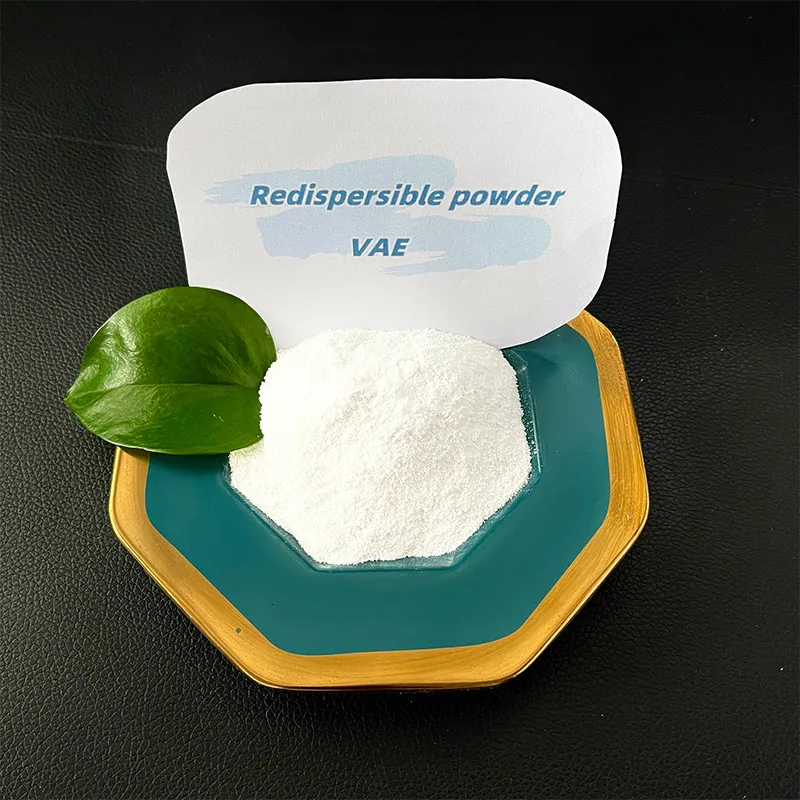
Advancements in Starch Ether Technology: Innovation in Material Science Starch ether , a refined white powder derived from natural plant sources, undergoes a sophisticated process of modification characterized by substantial etherification reactions, followed by a technique known as spray drying. At HeBei ShengShi HongBang, we've pioneered advanced manufacturing techniques to produce high-purity starch ether compounds with exceptional consistency and performance characteristics. Our starch ether solutions meet rigorous international standards across multiple industries. "Modern construction chemistry relies heavily on specialty additives like starch ether to achieve required performance parameters. The controlled modification of starch molecules significantly improves water retention, workability, and application properties in cementitious systems." - Journal of Construction Chemistry Explore Our Starch Ether Solutions Technical Parameters of Starch Ether Comprehensive Technical Specifications Parameter Standard Range Test Method Significance Viscosity (2% solution) 100-10,000 mPa·s Brookfield LVF Determines thickening efficiency pH Value 5.5-7.5 DIN EN ISO 787-9 Chemical compatibility indicator Moisture Content ≤ 8% Karl Fischer Storage stability & shelf life Degree of Substitution (DS) 0.02-0.10 Titration Method Functional group quantification Ash Content ≤ 1% DIN EN ISO 3451 Purity measurement Granulation (200 mesh) ≥ 95% Sieve Analysis Solubility and dispersion Bulk Density 450-550 g/l ASTM D1895 Dosage and handling Industry Applications of Starch Ether Construction Materials Starch ether serves as a multifunctional additive in tile adhesives, cement renders, and self-leveling compounds. Our specialized products enhance water retention, prolong open time, and improve sag resistance. Pharmaceutical Excipients In tablet formulations, starch ether functions as a superior binder-disintegrant combination. Medical-grade etherified starch enhances dissolution profiles while maintaining excellent compression characteristics. Food Processing Food-grade modified starch acts as a thickener, stabilizer, and texture modifier. Our specialized products are certified for applications in sauces, dressings, and frozen food preparations. Paper Manufacturing As a coating binder and surface sizing agent, starch ether improves paper strength, printability, and surface characteristics while reducing dusting during converting operations. Textile Processing In textile printing, our specialized starch ether serves as efficient thickeners that provide excellent color yield, sharpness of print, and easy washability. Oil Field Applications High-performance drilling fluid additives based on starch ether offer excellent fluid loss control at elevated temperatures while maintaining environmental compatibility. Starch Ether Advantages ? Sustainable Origin Derived from annually renewable starch resources, our products support sustainable material cycles. Life cycle assessments confirm the ecological advantages of starch-based chemicals versus petroleum alternatives. ? Water Retention Our patented starch ether chemistry achieves up to 30% higher water retention efficiency in construction materials compared to conventional cellulose ethers, improving hydration control in cementitious systems. ? Compatibility Enhancement Through specialized modification processes, we've developed starch ether products that demonstrate improved compatibility with modern additives including PCE superplasticizers and redispersible polymer powders. ⚖️ Cost Efficiency At equivalent performance levels, starch ether additives deliver significant formulation cost advantages while often improving application characteristics in multiple materials systems. Technical FAQs About Starch Ether What is the mechanism behind starch ether's water retention properties? Starch ether molecules undergo hydration that causes molecular chain expansion, creating a network that physically traps water through hydrogen bonding. The substitution pattern determines hydrophilic character and solution behavior. Studies show properly modified starches can hold water molecules even under mechanical pressure and low humidity conditions. How do starch ethers compare to cellulose ethers in construction applications? While both modify rheology, starch-based alternatives offer superior economics at comparable technical performance. Our research indicates specific advantages including faster dissolution, enhanced electrolyte tolerance, and different molecular weight distributions that complement cellulose derivatives. Many formulators blend both polymer types to optimize cost-performance ratios. What are the critical manufacturing parameters for consistent starch ether quality? Three parameters dominate: 1) Etherification efficiency (reaction kinetics and DS control), 2) Granulation technology achieving uniform particle size distribution, and 3) Thermal history optimization during drying phases. At HeBei ShengShi HongBang, we utilize continuous production monitoring with AI-driven process control that maintains quality variance below 0.5% over production batches. Can starch ether be used in formulations requiring thermal stability? Through specific chemical modification pathways, we produce thermal-stable grades that maintain functionality up to 90°C for extended periods. These specialty products are engineered through molecular structure optimization that reduces thermal degradation pathways. Third-party testing confirms retention of over 85% initial viscosity after 24 hours at 85°C. How is substitution degree (DS) measured, and what values are optimal? DS is quantified through both wet chemical titration and NMR techniques. For construction applications, optimal values range between 0.04-0.07 DS. Higher substitution increases solubility but may negatively impact thickening efficiency. We offer specialized testing services to match DS profiles to specific application requirements. What packaging options are available to prevent moisture degradation? We utilize triple-layer laminated sacks with polyethylene barriers offering less than 2g/m²/24h moisture transmission rates. Bulk silo systems are also available for high-volume users, featuring inert gas blanketing and humidity-controlled discharge systems to maintain optimal powder flow characteristics while preventing moisture absorption. How does starch ether impact environmental compliance profiles? Starch-based derivatives inherently offer environmental advantages including biodegradability (>95% OECD 301B), renewable resource origin, and low ecotoxicity. Our lifecycle assessments show carbon footprints reduced by 35-50% versus petrochemically derived alternatives. All products meet REACH and TSCA regulatory requirements. Industry Recognitions & References International Journal of Material Science: "Advanced Modification Techniques for Improved Starch Functionality" https://doi.org/10.1016/j.ijms.2022.102456 Construction Chemistry Review: "Novel Applications of Starch Ethers in Modern Building Materials" https://www.conchem-review.org/articles/ccr.11945 European Polymer Journal: "Structural Analysis of Industrially Modified Starch Derivatives" https://doi.org/10.1016/j.eurpolymj.2021.110812 Food Technology Magazine: "Functional Properties of Modified Food Starches in Processed Foods" https://www.ift.org/news-and-publications/food-technology-magazine Industrial Chemistry Research: "Continuous Production Processes for Starch Ether Derivatives" https://pubs.acs.org/doi/10.1021/acs.iecr.1c01234
-
The Producers of Starch Ether An Overview Starch ethers are innovative chemical derivatives produced from starch, a polysaccharide that serves as a primary energy source in many plants. These derivatives are essential in various industries, including food, pharmaceuticals, cosmetics, and papermaking, due to their unique properties. In this article, we will explore the key producers of starch ethers, their manufacturing processes, and their applications. Understanding Starch Ethers Starch ethers are formulated by reacting starch with etherifying agents. This process modifies the starch, enhancing its solubility, viscosity, and thermal stability. Common etherifying agents include ethylene oxide, propylene oxide, and chloroacetic acid. The resultant starch ethers possess characteristics that are highly beneficial for different applications, such as improved binding, thickening, and film-forming properties. Key Producers in the Industry . 2. Roquette Frères A worldwide leader in plant-based ingredients, Roquette Frères specializes in starch derivatives, including starch ethers. Their extensive product range caters to diverse industrial needs, and they focus on producing sustainable, high-performance solutions. Roquette emphasizes continuous innovation, aiming to provide cutting-edge products to enhance the functionality of food, nutraceuticals, and cosmetics. производители эфира крахмала 3. Tate & Lyle Tate & Lyle is renowned for its expertise in food ingredients and solutions. The company produces various starch-based products, including starch ethers. With a strong focus on health and wellness, Tate & Lyle develops formulations that support clean label initiatives while meeting the demands for texture and performance in food products. 4. ADM (Archer Daniels Midland Company) ADM is a global leader in agricultural processing and one of the top starch ether producers. The company’s vast network and expertise allow for the efficient production of starch derivatives. ADM's focus on innovation and sustainability ensures the development of solutions that meet the evolving needs of the market. 5. Ashland Global Holdings Inc. Ashland is known for its specialty chemicals and has a significant portfolio of starch derivatives. The company's starch ethers find widespread applications in personal care products due to their thickening and film-forming capabilities. Ashland's commitment to research enables them to provide customized solutions across various industries. Applications of Starch Ethers Starch ethers are utilized in a multitude of applications. In the food industry, they serve as thickeners and stabilizers, enhancing texture and shelf life. In pharmaceuticals, they improve the formulation of medicines, acting as excipients that aid in the drug delivery process. The cosmetics industry benefits from their film-forming and moisturizing properties, while the papermaking sector uses them for improved adhesion and viscosity. Conclusion The production of starch ethers is a thriving sector due to their versatility and functional benefits across various industries. Leading companies like Cargill, Roquette, Tate & Lyle, ADM, and Ashland play crucial roles in the supply chain, constantly innovating to meet market demands. As industries continue to prioritize sustainability and performance, the relevance of starch ethers is only set to grow, making it an exciting area for future developments.
advantages
-

200000 Viscosities
Excellent product
We can produce pure products up to 200,000 viscosities
-

40000 tons
High yield
We don’t stop production all year round, and the annual output can reach 40,000 tons
-

24 hours
Quality service
We provide 24-hours online reception service, welcome to consult at any time
———— Inquiry Form
Schedule A services

-
 hpmc_cas_number
Oct . 25, 2025
Hydroxypropyl methylcellulose, commonly abbreviated as HPMC, is a pivotal compound in various indust -
 gypsum_retarder
Oct . 25, 2025
Fiber polypropylene (PP) is increasingly becoming a staple in diverse industries due to its remarkab -
 hydroxypropyl_starch_phosphate_hair
Oct . 25, 2025
Hydroxypropyl methylcellulose (HPMC) K4M is a versatile polymer extensively utilized across numerous


